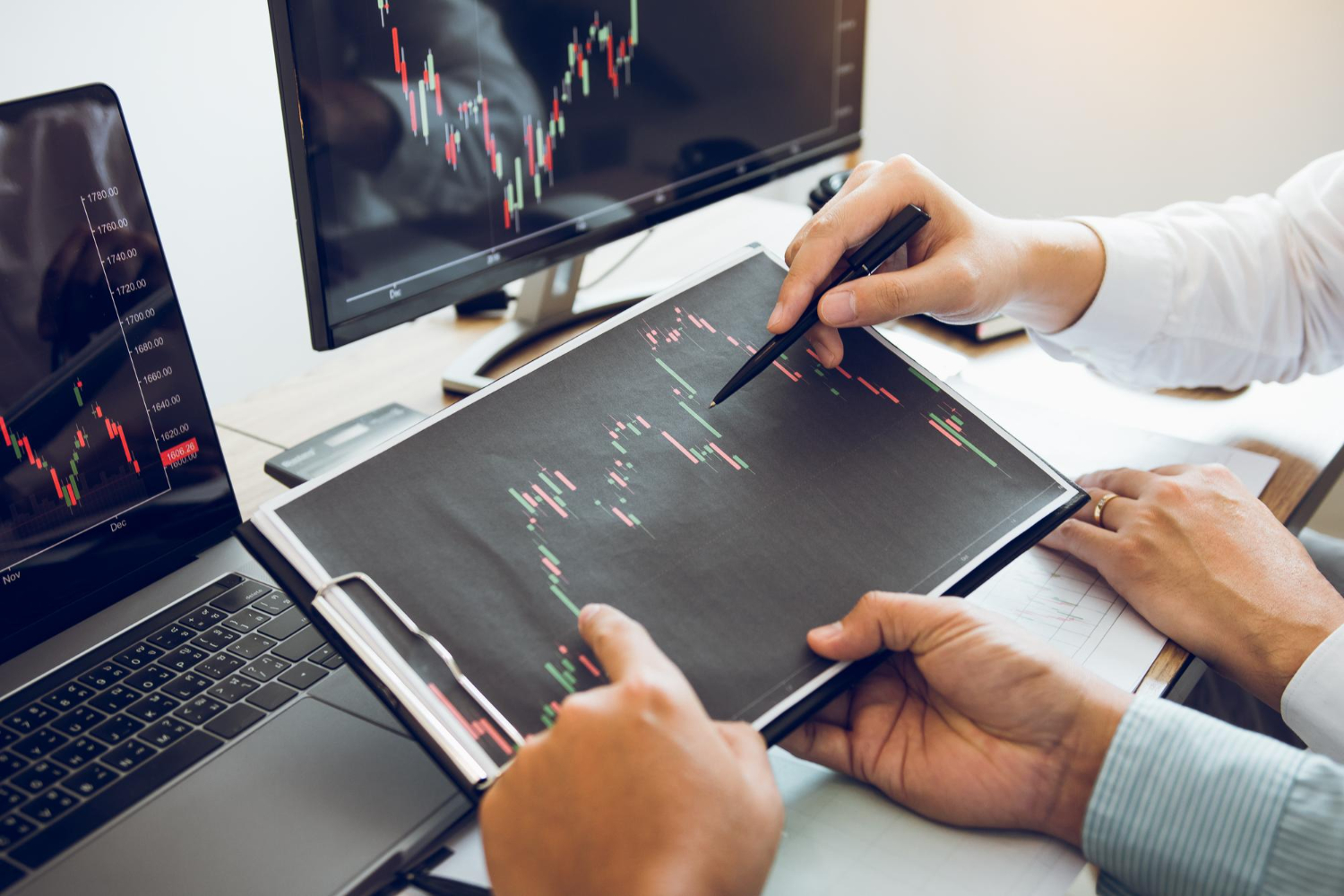
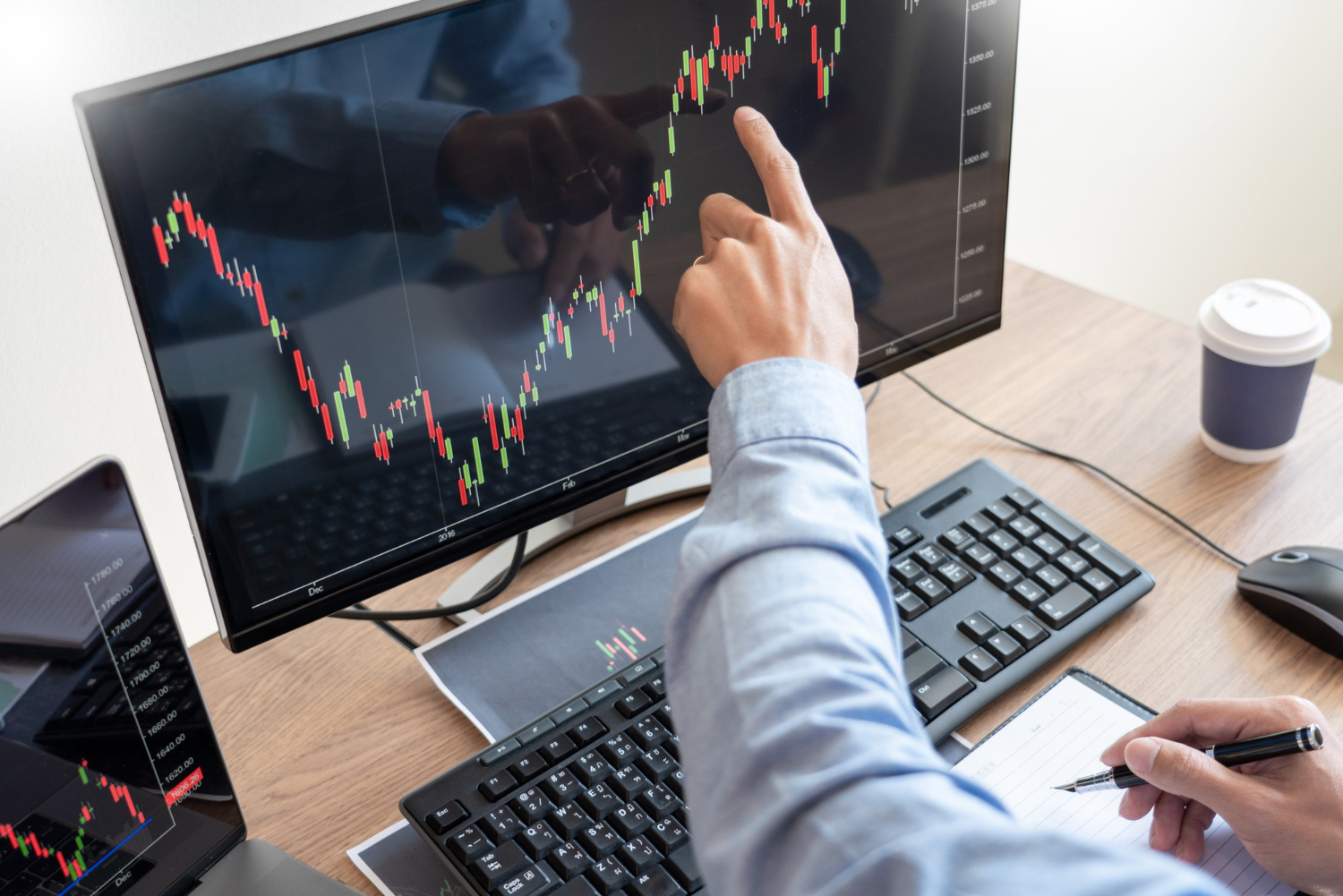
As the financial landscape shifts, algorithmic trading is carving a formidable niche in India’s bustling financial markets and trading platforms. Leveraging the innovative capabilities of MetaTrader 5, traders are unlocking new levels of efficiency and strategy. This evolution not only reshapes trading practices but also poses unique challenges and opportunities. Explore how algorithmic trading is revolutionizing India’s trading environment, the transformative features of MetaTrader 5, and what the future holds for this dynamic sector.
Definition and Overview
Algorithmic trading refers to the use of computer algorithms to execute trades based on predefined criteria such as timing, price, and quantity, enhancing trading efficiency and execution speed. Unlike traditional trading, where decisions are made manually, algorithmic trading utilizes complex mathematical models to take advantage of market inefficiencies.
Two common types of algorithms are:
- Market-making, which aims to profit from the bid-ask spread by placing simultaneous buy and sell orders.
- Trend-following strategies, which analyze historical price data to predict future movements.
Tools such as MetaTrader and QuantConnect assist traders in designing and backtesting these algorithms, offering a more data-driven approach to trading that enhances speed and efficiency beyond human capabilities, while optimizing algorithmic performance and risk-adjusted returns.
Global Trends in Algorithmic Trading and Market Dynamics
According to recent studies, over 70% of equity trading volumes in the US and Europe can be attributed to algorithmic trading. This rapid growth in trading activity is largely driven by the emergence of more efficient technologies and advanced data analysis tools that enable traders to execute orders automatically with optimal speed and precision.
Leading firms in this space include Renaissance Technologies, which employs quantitative strategies for algorithmic trading, and Citadel Securities, which utilizes sophisticated algorithms to enhance trading efficiency.
Retail platforms such as Robinhood have democratized access to algorithmic trading for retail investors, allowing individual traders to engage in strategies that were once limited to institutional players.
As automation and real-time data analytics become increasingly vital, the shift toward algorithmic trading is expected to continue.
MetaTrader 5: A Game Changer
MetaTrader 5 offers advanced algorithmic trading capabilities, supporting multiple asset classes and featuring enhanced charting tools, crucial for portfolio optimization and execution algorithms.
Features and Benefits
Key features of MetaTrader 5 include built-in trading robots, advanced backtesting capabilities, and access to a diverse range of markets, all of which significantly enhance trading performance.
The built-in trading robots facilitate automated trading strategies, enabling traders to take advantage of market movements without the need for constant monitoring. For instance, users can deploy an Expert Advisor to execute trades based on specific criteria, optimizing their entry and exit points.
Additionally, the advanced backtesting capabilities allow traders to test their strategies against historical data, refining their algorithmic strategies and trading methodologies before implementing them in real-world scenarios. This process reduces risk and increases the likelihood of profitability.
Furthermore, the platform’s access to Forex, stocks, and commodities offers diversification, catering to various trading styles and objectives.
Comparison with MetaTrader 4
MetaTrader 5 (MT5) offers several advantages over MetaTrader 4 (MT4), including a wider variety of order types and an integrated economic calendar. One of the key improvements in MT5 is its enhanced backtesting capabilities, which enable traders to test strategies on multiple currency pairs simultaneously, unlike MT4’s single-task approach.
Additionally, MT5 supports a broader range of markets, including stocks and futures, providing traders with more options. The interface of MT5 is also more user-friendly, making it easier for both novice and experienced traders to navigate the platform.
Transitioning to MT5 can result in improved trading performance and greater access to analytical tools that enhance traders’ strategies.
The Growth of Algorithmic Trading in India
The landscape of algorithmic trading in India has expanded rapidly, with nearly 50% of equity trades now conducted through algorithms, reflecting its rise in the capital markets.
Market Evolution and Trends
The Indian algorithmic trading market has progressed from its nascent stage in 2008 to a robust ecosystem driven by technological advancements and regulatory support.
As of 2023, algorithmic trading accounts for nearly 50% of the total trading volume on Indian exchanges. This significant growth can be largely attributed to the emergence of fintech platforms like Zerodha and Upstox, which have made sophisticated trading tools more accessible.
The implementation of initiatives such as the Securities and Exchange Board of India (SEBI) regulatory framework has further incentivized institutional investors to adopt these technologies. For example, strategies that utilize advanced algorithms are being employed to achieve faster execution and enhanced risk management, thereby revolutionizing market dynamics.
Regulatory Environment and Financial Regulations
The Securities and Exchange Board of India (SEBI) has established regulations aimed at promoting safe and responsible algorithmic trading among market participants. These guidelines are essential for fostering transparency and fairness in the market.
Key regulations include:
- The requirement for algorithmic traders to register with SEBI and adhere to the risk management parameters outlined in the circulars.
- Traders must maintain logs of their algorithms for a minimum of five years to ensure compliance with monitoring requirements.
- Additionally, firms are obligated to implement robust systems for back-testing their algorithms against historical data to mitigate the risk of market disruptions caused by their algorithms.
- Regular audits are also necessary to ensure that these standards are upheld and to adapt to evolving regulatory demands.
Strategies Employed in Algorithmic Trading
Various types of algorithmic trading strategies exist, each specifically designed to optimize trade execution and enhance profitability in fast-moving markets.
High-Frequency Trading
High-frequency trading (HFT) utilizes algorithms to execute orders within milliseconds, allowing traders to capture small price differences and optimize trading success and execution speed.
Companies such as Citadel Securities and Renaissance Technologies lead the HFT industry through their advanced technology and data analytics.
These firms develop their own servers, which they colocate near major exchanges to minimize latency. By analyzing large data sets, their algorithms can identify fleeting trading opportunities that last only seconds.
For instance, Renaissance Technologies employs machine learning models to predict market movements, enabling them to execute thousands of trades each second. This approach not only enhances the profitability of HFT firms but also improves market liquidity, directly contributing to price stabilization.
Arbitrage Strategies
There are three primary types of arbitrage strategies that traders employ in the market: spatial arbitrage, temporal arbitrage, and statistical arbitrage. These strategies are designed to exploit price differences between markets or assets, potentially leading to risk-free profits when executed correctly.
Spatial arbitrage involves buying an asset in one market and simultaneously selling it in another market at a higher price. This is the most common form of arbitrage and is frequently observed in currency or asset trading. For example, a trader may implement a spatial arbitrage strategy by purchasing a cryptocurrency token on a lesser-known exchange at a low price and then selling it on a larger exchange at a higher price.
Temporal arbitrage, on the other hand, focuses on the time aspect of price changes. This strategy is especially popular in the stock market, where traders anticipate price fluctuations over time. For instance, an investor might engage in temporal arbitrage by purchasing a stock before an earnings announcement, expecting the stock’s price to rise significantly following the announcement.
Lastly, statistical arbitrage utilizes mathematical and statistical techniques to identify arbitrage opportunities. This strategy relies on algorithms to detect price relationships or patterns between two or more assets and to execute trades automatically when these price relationships deviate from their expected norms. Statistical arbitrage enables traders to react swiftly and reposition themselves strategically in the market.
Challenges and Risks
Algorithmic trading has certain limitations that can adversely affect trading performance and outcomes.
Market Volatility
Market volatility can significantly impact the performance of algorithmic trading strategies, potentially leading to unexpected losses if not managed properly. Historical events, such as the 2008 financial crisis and the COVID-19 market crash, have demonstrated that rapid price movements can trigger algorithmic sell-offs.
To mitigate risks during periods of market volatility, traders can implement the following strategies:
- Implement stop-loss orders
- Diversify their algorithms to trade based on various signals
- Adjust their algorithms’ parameters to accommodate higher volatility thresholds
Utilizing real-time data feeds, such as the Bloomberg Terminal, can enhance the decision-making process. Additionally, constant market monitoring and regular recalibration of algorithms can be beneficial in navigating volatile conditions.
Technical Failures in Trading Systems
Technical failures, such as system outages or software glitches, can lead to catastrophic trading losses if not properly prepared for. A notable example of this is the Knight Capital Group incident in 2012, where a software bug caused the firm to lose $440 million in just 45 minutes. Robust trading infrastructure is essential to prevent such algorithmic risk.
To mitigate risks associated with technical failures, it is essential to implement best practices, including maintaining redundant systems and employing fail-safes, which are integral to algorithm development and trading systems optimization.
Regularly testing trading algorithms in a simulated environment before going live is crucial to ensure that all code functions as expected and to identify any potential glitches in advance. This process, known as backtesting results evaluation, provides key trading insights. Additionally, strict risk management protocols, such as setting stop-loss orders, should be established to automatically exit a trade if losses exceed a certain level, which is part of systematic trading strategies development.
Being proactive in reducing exposure to technical failures can significantly minimize potential losses, thereby enhancing trader performance and investment risk strategies.
The Future of Algorithmic Trading and Financial Technology in India
The future of algorithmic trading in India is anticipated to thrive and expand, driven by emerging technologies, including MetaTrader 5 and algorithm optimization tools, and an increasing acceptance of automation within financial markets.
Technological Advancements and Trading Innovations
The role of technology, including machine learning and artificial intelligence, in algorithmic trading is expanding rapidly, influencing trading platforms comparison and automated trading systems.
Many firms are now utilizing machine learning algorithms to analyze vast datasets in real-time, providing more accurate predictions of market trends and enhancing market analysis tools. For instance, Renaissance Technologies employs complex models that process historical price data and various market signals to generate predictions that inform their trading strategies, which include trend following and mean reversion.
Additionally, natural language processing (NLP) tools, such as the Bloomberg Terminal, are used to analyze news articles and social media sentiment, aiding in sentiment analysis, helping to gauge market reactions and enhance the decision-making process.
By integrating these technologies, traders can implement their strategies with a speed and efficiency previously unattainable, allowing them to capitalize on fleeting market opportunities that might otherwise go unnoticed, reducing trading costs and improving order execution.
Potential Market Impact and Trading Discipline
The impact of algorithmic trading on market efficiency and liquidity is anticipated to grow as technology continues to advance, significantly influencing trading strategies worldwide, including trading signals and asset management. This development presents both opportunities and challenges, requiring trading discipline.
Algorithmic trading can enhance market liquidity, allowing traders with large orders to execute trades with minimal price impact, like limit orders. For example, high-frequency trading firms utilize algorithms to capitalize on small price discrepancies, which often contributes to market stabilization and trading systems innovation.
However, regulators must remain vigilant. The 2010 flash crash, which was triggered by algorithmic trading, highlights the risks associated with these technologies, including increased market volatility and the potential for systemic failure, underscoring the importance of trading psychology and market impact analysis.
Therefore, as the adoption of algorithmic trading expands, ongoing dialogue between traders and regulators will be crucial to ensure a balanced approach that fosters innovation while safeguarding the integrity of the markets, promoting trading education and trading community involvement.
Conclusion
Algorithmic trading in India is undergoing a transformative shift, with MetaTrader 5 emerging as a pivotal platform for traders seeking efficiency, precision, and automation. By leveraging advanced features like high-frequency trading, arbitrage strategies, and AI-driven analytics, Indian traders are not only optimizing their performance but also navigating the complexities of market volatility and regulatory challenges. As technology continues to evolve, the integration of tools like MetaTrader 5 will play a critical role in shaping the future of algorithmic trading, offering traders the edge they need to thrive in an increasingly competitive and dynamic market. Whether you’re a novice or a seasoned trader, embracing these innovations could redefine your trading journey and unlock new opportunities for success.